How to Treat Rosacea and Facial Redness Rosacea is a common yet often misunderstood skin condition that primarily affects the face, causing persistent redness, visible blood vessels, and sometimes acne-like bumps. It can be frustrating and impact one’s self-confidence. Fortunately, with the right approach to rosacea skin treatment, symptoms can be managed effectively, allowing those …
How to Treat Rosacea and Facial Redness
Rosacea is a common yet often misunderstood skin condition that primarily affects the face, causing persistent redness, visible blood vessels, and sometimes acne-like bumps. It can be frustrating and impact one’s self-confidence. Fortunately, with the right approach to rosacea skin treatment, symptoms can be managed effectively, allowing those affected to enjoy healthier, calmer skin.
Understanding Rosacea and Its Causes
Before diving into treatment options, it’s important to understand what rosacea is and what triggers it. Rosacea is a chronic inflammatory skin condition, often mistaken for acne or allergic reactions. It usually manifests as redness across the cheeks, nose, forehead, and chin, accompanied by flushing and visible blood vessels. In some cases, small red bumps or pustules can develop.
The exact cause of rosacea remains unknown, but it is believed to involve a combination of genetic and environmental factors. Triggers vary by individual but often include sun exposure, stress, hot or cold weather, spicy foods, alcohol, and certain skincare products. Identifying and avoiding personal triggers is a crucial step in managing rosacea.
Effective Rosacea Skin Treatment Options
Treating rosacea involves a multi-faceted approach that includes lifestyle changes, skincare routines, and medical treatments. Here are some of the most effective methods:
1. Gentle Skincare Routine
People with rosacea should adopt a gentle skincare routine to avoid irritating the skin. Use mild, fragrance-free cleansers and moisturizers designed for sensitive skin. Avoid scrubbing or using abrasive exfoliants, as these can worsen redness and inflammation.
Key tips for rosacea skin treatment:
- Wash your face with lukewarm water, not hot.
- Use a gentle, soap-free cleanser.
- Apply a moisturizer that helps repair the skin barrier.
- Avoid skincare products containing alcohol, menthol, or other irritants.
2. Sun Protection
Sun exposure is one of the most common triggers for rosacea flare-ups. Using a broad-spectrum sunscreen with an SPF of 30 or higher daily is essential. Physical blockers containing zinc oxide or titanium dioxide are often better tolerated than chemical sunscreens. Additionally, wearing hats and seeking shade can further protect sensitive skin.
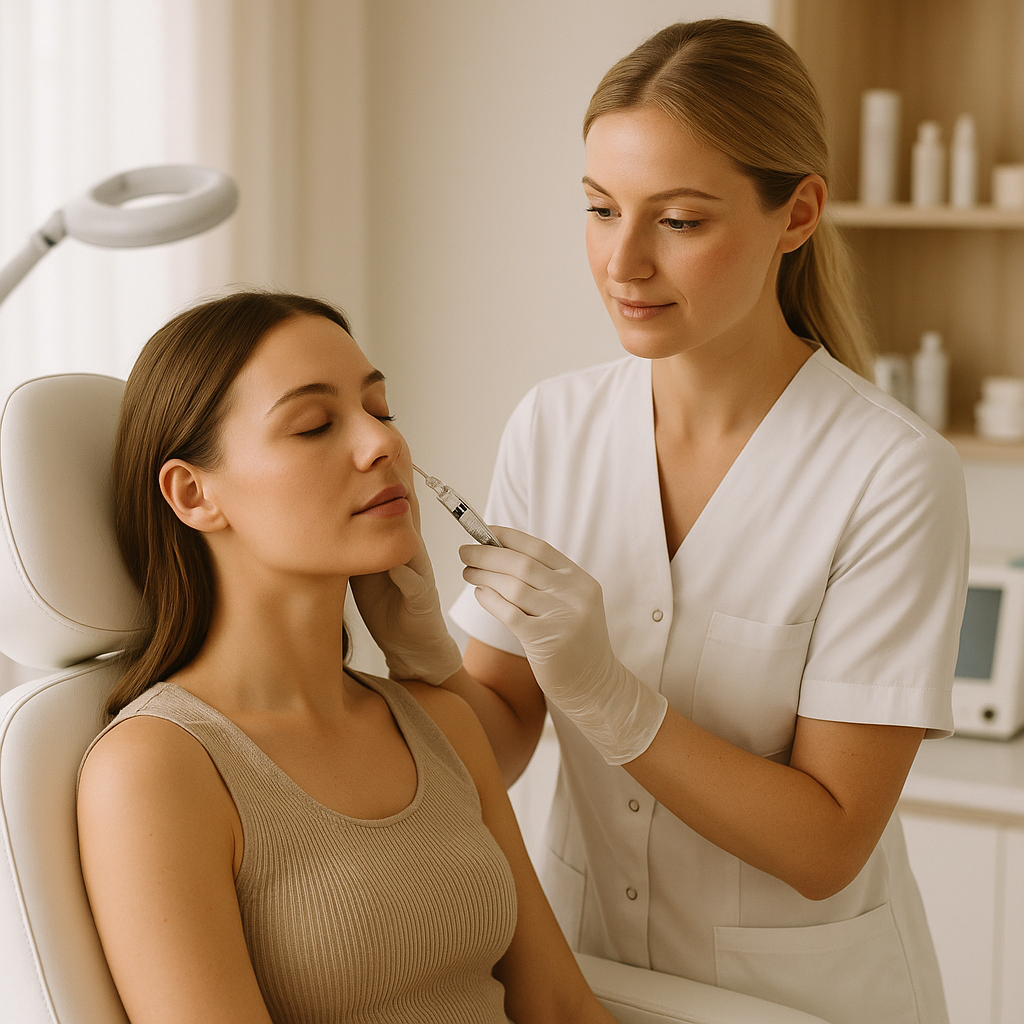
3. Medical Treatments
For more persistent or severe cases, medical intervention may be necessary. Dermatologists often prescribe topical and oral medications tailored to the patient’s symptoms:
- Topical antibiotics: Metronidazole and clindamycin creams help reduce inflammation and bacterial growth.
- Azelaic acid: This topical gel or foam reduces redness and swelling.
- Brimonidine gel: Helps constrict blood vessels temporarily to reduce redness.
- Oral antibiotics: Doxycycline or minocycline may be prescribed for anti-inflammatory effects.
- Isotretinoin: In severe cases, low-dose isotretinoin can be effective but requires careful monitoring.
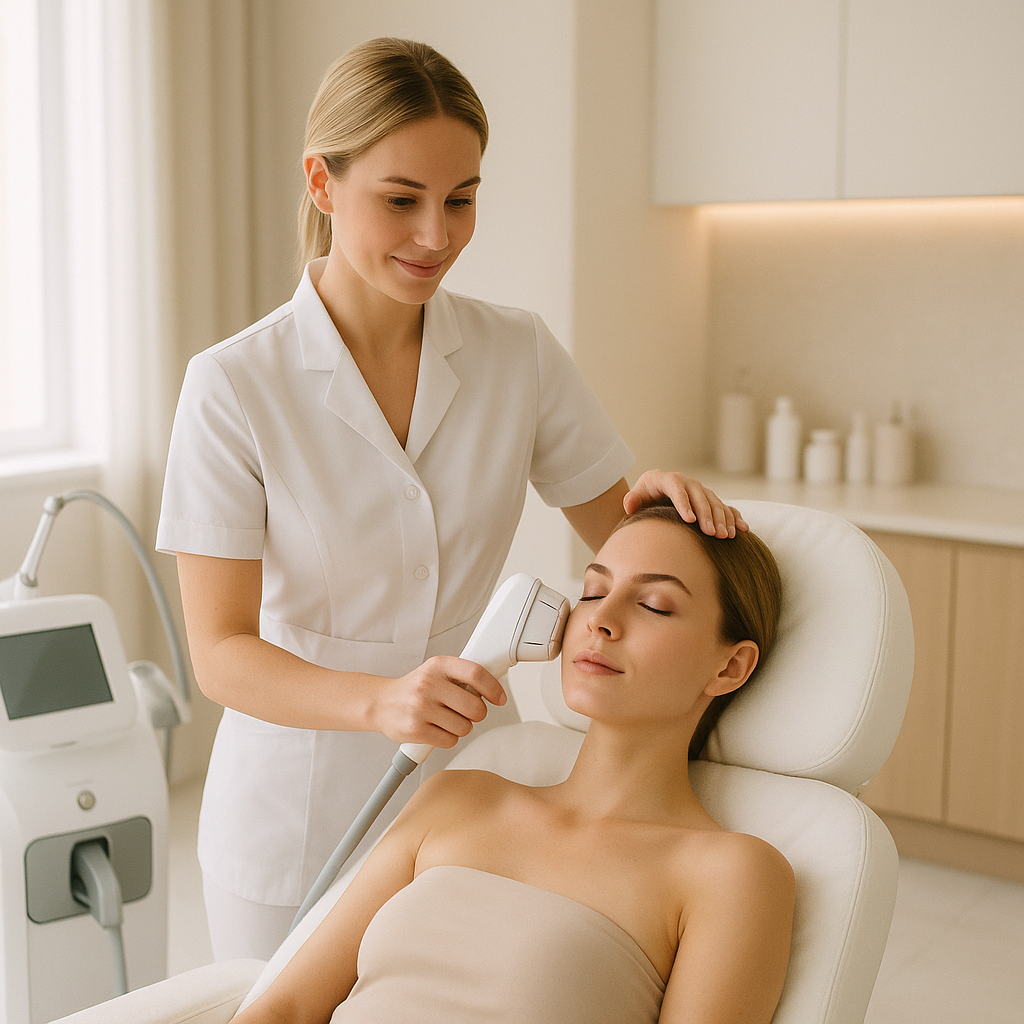
4. Laser and Light Therapies
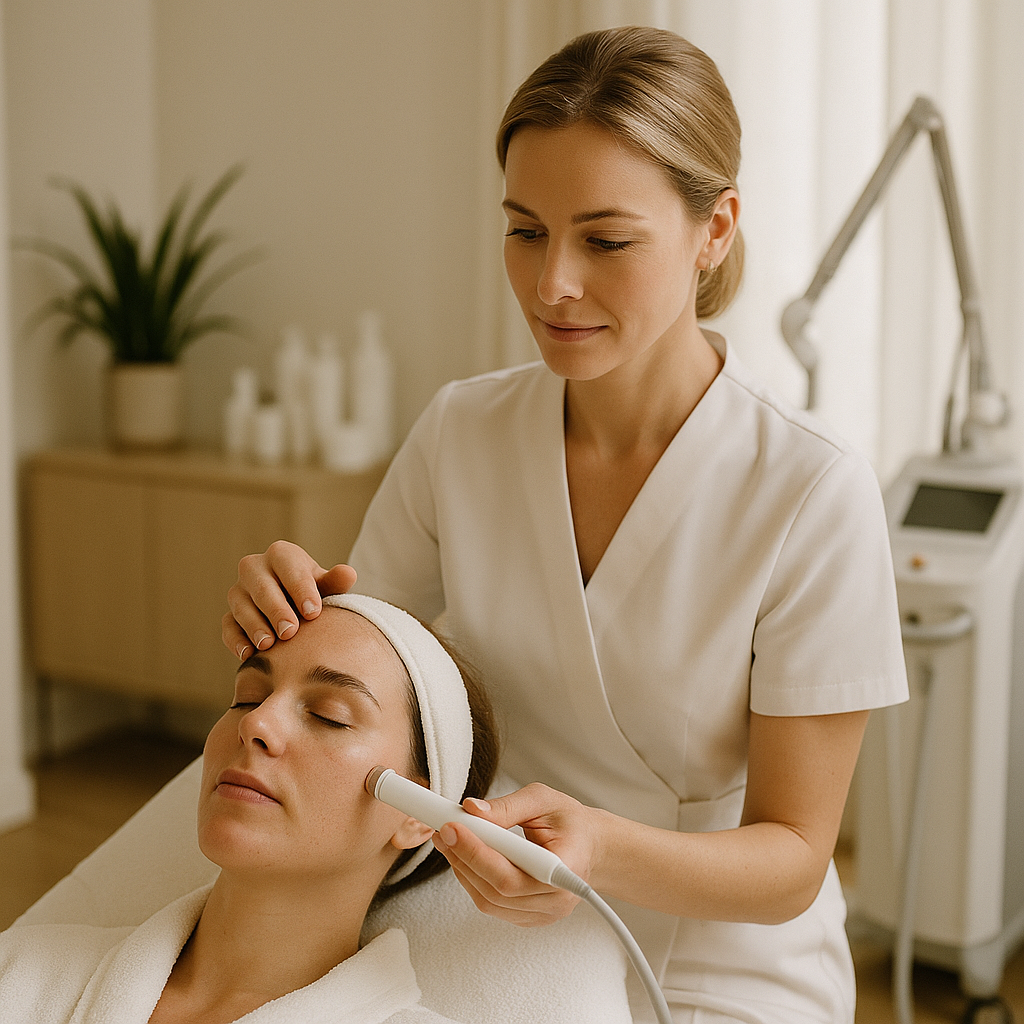
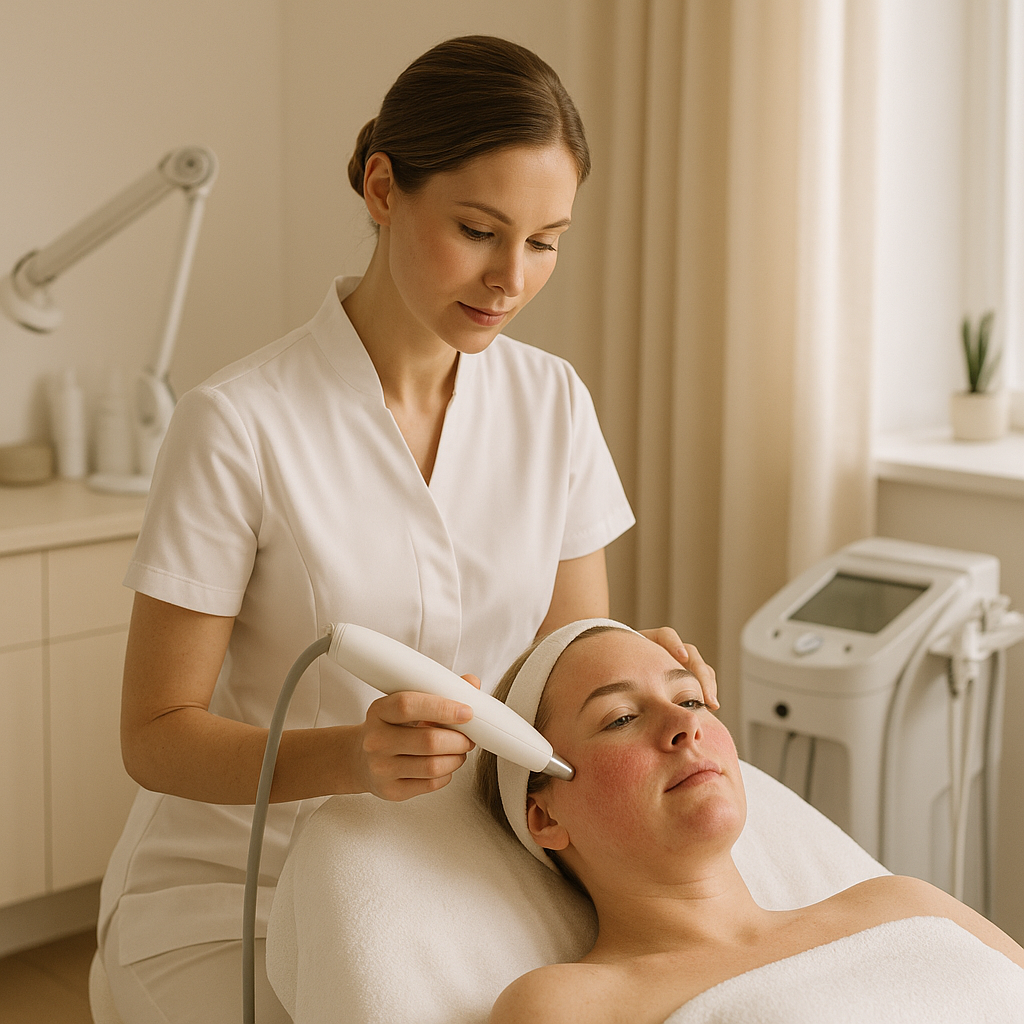
Laser treatments and intense pulsed light (IPL) therapy are popular options to target visible blood vessels and persistent redness. These treatments work by shrinking dilated blood vessels, reducing the appearance of redness and improving skin texture. Multiple sessions are usually required for optimal results.
Lifestyle Changes to Support Rosacea Skin Treatment
In addition to direct treatments, certain lifestyle adjustments can help minimize rosacea flare-ups and maintain skin health:
- Avoid Triggers: Keep a diary to identify foods, activities, or environmental factors that worsen your rosacea and try to avoid them.
- Manage Stress: Stress can provoke rosacea symptoms. Practices like yoga, meditation, and regular exercise can help reduce stress levels.
- Dietary Considerations: Some people find that spicy foods, hot beverages, and alcohol exacerbate redness. Adjusting your diet accordingly may help.
- Gentle Makeup: Use non-comedogenic, fragrance-free makeup products designed for sensitive skin. Green-tinted primers can help neutralize redness.
When to See a Dermatologist
If you experience persistent facial redness or suspect you have rosacea, consulting a dermatologist is essential. A professional can provide an accurate diagnosis and recommend a personalized treatment plan. Early intervention can prevent progression and complications, such as thickening of the skin or eye involvement (ocular rosacea).
Summary: Managing Rosacea Effectively
Rosacea is a chronic condition, but with consistent care and the right rosacea skin treatment, symptoms can be controlled. Key strategies include adopting a gentle skincare routine, protecting the skin from the sun, using medical treatments when necessary, and making lifestyle changes to avoid triggers. Additionally, advanced therapies like laser treatment offer promising results for reducing visible redness.
Remember that managing rosacea is a journey that requires patience and persistence. Working closely with a dermatologist and listening to your skin’s needs will help you achieve the best possible outcome.
Contact By Beauty Clinic Rasa.
Plan direct uw afspraak
Heeft u vragen of wilt u een afspraak inplannen?