How Chemical Peels Improve Skin Texture In the quest for radiant and smooth skin, many skincare enthusiasts and professionals turn to chemical peels as an effective solution. Chemical peels have gained immense popularity due to their ability to dramatically improve skin texture and overall complexion. But what exactly are chemical peels, and how do they …
How Chemical Peels Improve Skin Texture
In the quest for radiant and smooth skin, many skincare enthusiasts and professionals turn to chemical peels as an effective solution. Chemical peels have gained immense popularity due to their ability to dramatically improve skin texture and overall complexion. But what exactly are chemical peels, and how do they work to enhance the skin’s appearance? This article delves into the science behind chemical peels and highlights the chemical peel benefits that make them a preferred choice for skin rejuvenation.
What Is a Chemical Peel?
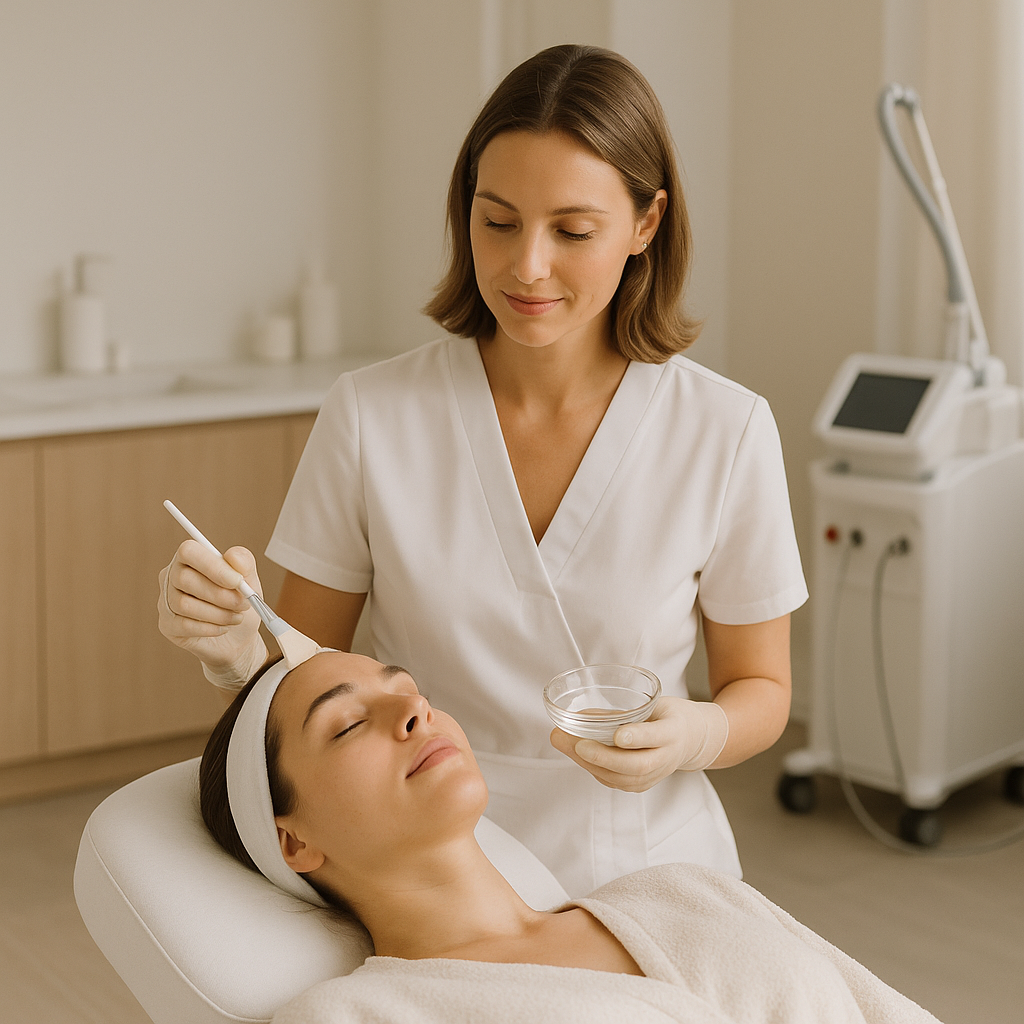
A chemical peel is a cosmetic treatment that involves applying a chemical solution to the skin, which causes controlled exfoliation and peeling of the outer layers. This process removes dead skin cells, promotes the regeneration of new skin, and stimulates collagen production. Depending on the type and strength of the chemical solution used, peels can be superficial, medium, or deep, each targeting different skin concerns and depths.
Common chemicals used in peels include alpha hydroxy acids (AHAs) like glycolic acid and lactic acid, beta hydroxy acids (BHAs) such as salicylic acid, trichloroacetic acid (TCA), and phenol. The choice of peel depends on individual skin type, concerns, and desired outcomes.
How Chemical Peels Improve Skin Texture
Skin texture refers to the smoothness and evenness of the skin surface. Uneven skin texture can be caused by factors such as sun damage, acne scars, hyperpigmentation, enlarged pores, fine lines, and rough patches. Chemical peels address these issues by exfoliating damaged skin and encouraging the growth of healthier skin cells.
1. Exfoliation of Dead Skin Cells
The primary way chemical peels improve skin texture is through exfoliation. The chemical agents break down the bonds between dead skin cells, allowing them to be shed more easily. This removal of the outermost layer of dead cells reveals fresh, new skin underneath that is smoother and more vibrant. Regular exfoliation with chemical peels can reduce roughness and flakiness, giving skin a soft, polished feel.
2. Stimulation of Collagen Production
Collagen is a vital protein that provides structure and elasticity to the skin. As we age, collagen production naturally declines, leading to sagging, wrinkles, and uneven texture. Chemical peels stimulate the skin’s natural healing response, which includes the production of new collagen fibers. This collagen boost helps to plump the skin, reduce fine lines, and improve firmness, contributing to a more refined skin texture over time.
3. Reduction of Hyperpigmentation and Acne Scars
Uneven pigmentation and acne scars can create a bumpy, uneven texture on the skin. Many chemical peels, especially those containing AHAs and BHAs, can lighten dark spots and discoloration by promoting the turnover of pigmented skin cells. This leads to a more uniform skin tone and a smoother surface. Additionally, peels can help to diminish the appearance of shallow acne scars by resurfacing the skin and encouraging regeneration.
4. Minimizing Pore Size
Large pores can make skin appear rough and uneven. Chemical peels help by clearing out clogged pores and tightening the skin around them. This results in visibly smaller pores and a more refined texture. Regular treatments can keep pores clean and reduce the likelihood of future breakouts.
Types of Chemical Peels and Their Impact on Skin Texture
Chemical peels vary in strength and depth, which influences their effectiveness in improving skin texture. Understanding the different types can help in choosing the right peel for your skin concerns.
Superficial Peels
Superficial peels use mild acids like glycolic acid or salicylic acid to gently exfoliate the outermost layer of skin. They are ideal for addressing minor textural issues such as dullness, roughness, and mild discoloration. These peels require little to no downtime and can be done frequently to maintain smooth skin.
Medium Peels
Medium peels penetrate deeper into the skin using trichloroacetic acid (TCA) or stronger concentrations of AHAs. They are effective for more pronounced textural problems, including moderate acne scars, fine lines, and pigmentation irregularities. Medium peels require some recovery time but offer more dramatic improvements in skin texture.
Deep Peels
Deep peels utilize phenol or high concentrations of TCA to remove multiple layers of skin. They are typically reserved for severe skin texture issues, such as deep wrinkles, extensive scarring, and significant sun damage. Due to their intensity, deep peels involve considerable downtime and should be performed by experienced professionals.
Additional Chemical Peel Benefits
Beyond improving skin texture, chemical peels offer a range of other benefits that enhance overall skin health and appearance:
- Improved Skin Tone: Chemical peels help reduce pigmentation irregularities and promote a more even complexion.
- Acne Control: By unclogging pores and reducing inflammation, chemical peels can help manage and prevent acne outbreaks.
- Reduction of Fine Lines and Wrinkles: Peels stimulate collagen and elastin production, which can soften the appearance of aging signs.
- Enhanced Absorption of Skincare Products: Removing the outer layer of dead skin cells allows topical products to penetrate more effectively, maximizing their benefits.
- Boosted Confidence: The visible improvements in skin texture and appearance often lead to increased self-esteem and confidence.
Who Should Consider Chemical Peels?
Chemical peels are suitable for most skin types and tones but are particularly beneficial for individuals experiencing:
- Uneven or rough skin texture
- Acne or acne scars
- Hyperpigmentation or sunspots
- Fine lines and early signs of aging
- Dull or tired-looking skin
However, people with certain skin conditions such as active eczema, psoriasis, or very sensitive skin should consult a dermatologist before undergoing chemical peel treatments to avoid adverse reactions.
Aftercare and Maintenance
To maximize the chemical peel benefits and maintain smooth skin texture, proper aftercare is essential. This includes:
- Avoiding sun exposure and wearing broad-spectrum sunscreen daily to protect the new skin.
- Using gentle skincare products and avoiding harsh scrubs or exfoliants during the healing period.
- Keeping the skin hydrated with moisturizers suitable for your skin type.
- Following your skincare professional’s advice on the frequency of peel treatments for sustained results.
Adhering to these aftercare guidelines helps prevent complications such as irritation, hyperpigmentation, or infection, ensuring optimal improvements in skin texture.
Conclusion
Chemical peels offer a powerful and versatile method to improve skin texture by exfoliating dead skin cells, stimulating collagen production, reducing pigmentation, and minimizing pores. With a range of peel types available, treatments can be tailored to individual needs and skin concerns, providing both immediate and long-lasting benefits. Whether you seek to address minor roughness or more severe textural issues, chemical peels can significantly enhance your skin’s smoothness, clarity, and overall health.
When performed by qualified professionals and combined with proper aftercare, chemical peels can be a transformative addition to your skincare regimen, delivering radiant, youthful-looking skin.
Contact By Beauty Clinic Rasa.
Plan direct uw afspraak
Heeft u vragen of wilt u een afspraak inplannen?