Chemical Peel Treatment for Acne Scars and Pigmentation Understanding Chemical Peels Chemical peels are a popular dermatological treatment designed to improve the texture and appearance of the skin. By applying a chemical solution, the outer damaged layers of the skin are exfoliated and removed, promoting the regeneration of fresh, new skin. This treatment is particularly …
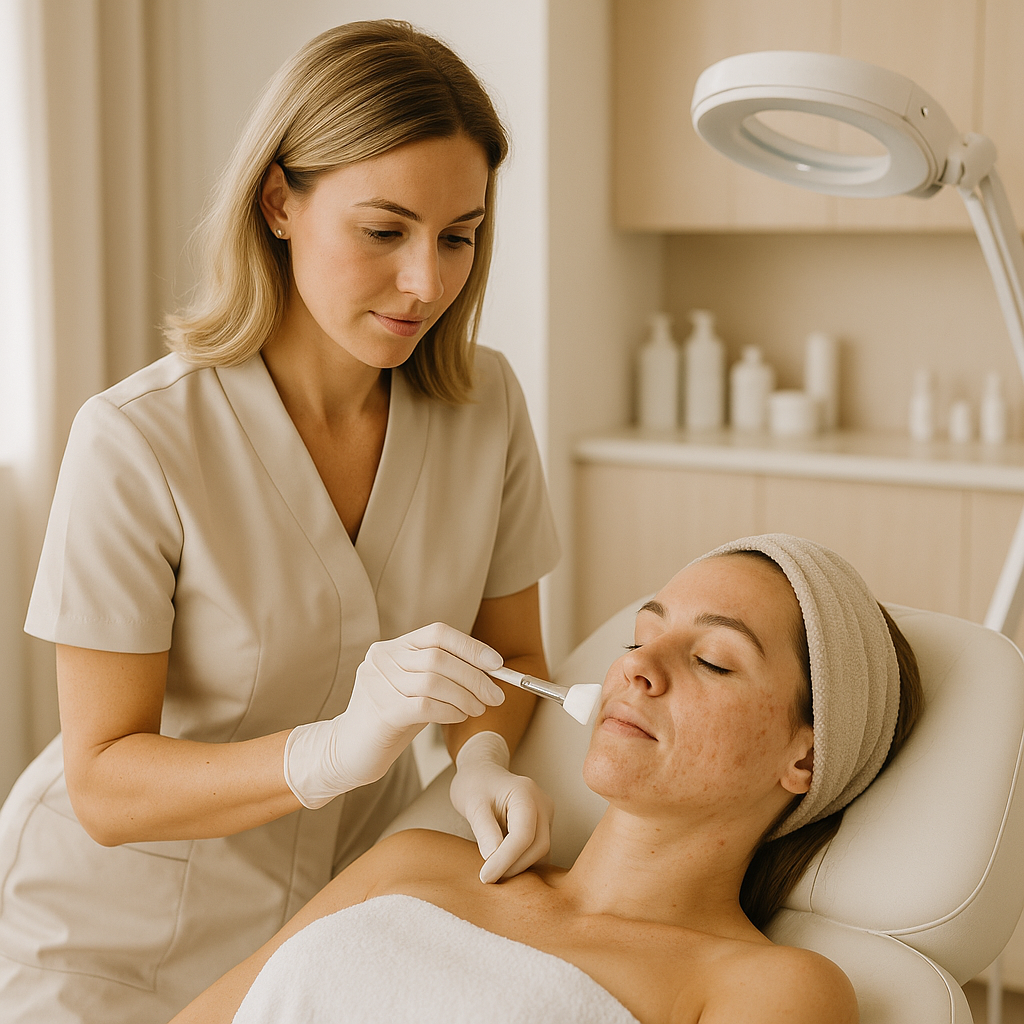
Chemical Peel Treatment for Acne Scars and Pigmentation
Understanding Chemical Peels
Chemical peels are a popular dermatological treatment designed to improve the texture and appearance of the skin. By applying a chemical solution, the outer damaged layers of the skin are exfoliated and removed, promoting the regeneration of fresh, new skin. This treatment is particularly effective for addressing issues like acne scars and pigmentation, which can significantly affect an individual’s confidence and skin health.
What Causes Acne Scars and Pigmentation?
Acne scars develop as a result of inflammation caused by acne blemishes. When the skin is damaged, it attempts to repair itself by producing collagen. However, this repair process can sometimes lead to uneven skin texture and scarring. These scars may appear as depressed pits (atrophic scars) or raised areas (hypertrophic scars).
Pigmentation issues, on the other hand, occur when the skin produces excess melanin, the pigment responsible for skin color. Post-inflammatory hyperpigmentation (PIH) is common after acne lesions heal, leaving dark spots or patches on the skin. This discoloration can be stubborn and difficult to treat with topical creams alone.
How Chemical Peels Work for Acne Scars and Pigmentation
Chemical peels involve the application of acids such as glycolic acid, salicylic acid, lactic acid, or trichloroacetic acid (TCA) to the skin. These acids penetrate the skin to varying depths depending on their concentration and type. The peel causes controlled damage to the skin layers, triggering the body’s natural healing process.
During the healing phase, old and damaged skin cells are shed, while new skin cells and collagen are produced. This regeneration helps to smooth out acne scars and even out pigmentation by fading dark spots and promoting a more uniform skin tone.
Types of Chemical Peels Used for Acne Scars
Chemical peels are generally categorized into three types based on their depth of penetration:
- Superficial Peels: These peels use mild acids like alpha hydroxy acids (AHAs) to exfoliate the outermost layer of the skin. They are ideal for mild acne scars and pigmentation and require minimal downtime.
- Medium Peels: Medium-depth peels, such as those using glycolic acid or TCA at higher concentrations, reach the middle layers of the skin. They are effective for moderate acne scars and pigmentation, providing more noticeable improvement with some recovery time.
- Deep Peels: These peels penetrate the deepest layers of the skin and are used for severe acne scars and pigmentation issues. They offer dramatic results but require longer healing and carry a higher risk of side effects.
Benefits of Chemical Peel Treatment for Acne Scars
Chemical peel acne scars treatment offers several advantages:
- Improved Skin Texture: Peels smooth out rough skin by removing scarred, uneven layers.
- Reduced Scar Visibility: By promoting collagen production, chemical peels help fill in depressed scars and reduce the prominence of raised scars.
- Even Skin Tone: Peels fade dark spots and pigmentation caused by acne, resulting in a clearer complexion.
- Non-Invasive: Compared to laser treatments or surgical procedures, chemical peels are less invasive with minimal discomfort.
- Boosted Confidence: Many patients experience enhanced self-esteem after improving their skin’s appearance.
What to Expect During and After Treatment
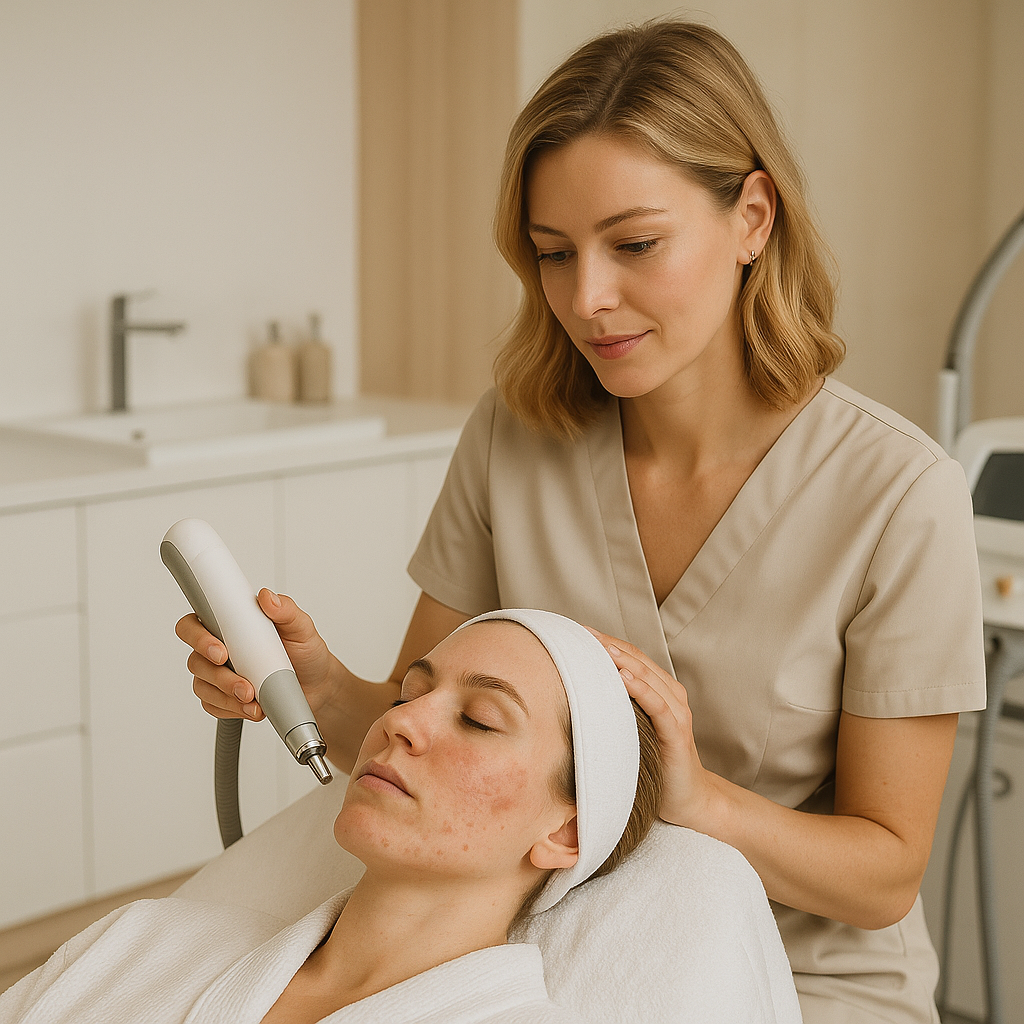
Before undergoing a chemical peel, a dermatologist will evaluate your skin type, scar severity, and pigmentation to recommend the most suitable peel. The procedure typically begins with cleansing the skin, followed by the application of the chemical solution. You may experience a mild stinging or burning sensation during this process.
After the peel, your skin may appear red and feel tight or dry, similar to a sunburn. Peeling and flaking usually occur over the next few days as the damaged skin sheds. It is crucial to follow post-treatment care instructions, including avoiding sun exposure and using moisturizing creams and sunscreen to protect the new skin.
Potential Risks and Side Effects
While chemical peels are generally safe, some risks include:
- Redness and irritation
- Temporary or permanent changes in skin color, especially in darker skin tones
- Scarring (rare with superficial and medium peels)
- Infection if proper aftercare is not followed
Choosing an experienced dermatologist and following all pre- and post-care recommendations significantly reduce these risks.
Complementary Treatments for Enhanced Results
Chemical peels can be combined with other treatments to maximize improvement in acne scars and pigmentation. These include:
- Microneedling: This stimulates collagen production by creating tiny punctures in the skin.
- Laser Therapy: Fractional lasers can target deeper layers of skin for more comprehensive scar remodeling.
- Topical Treatments: Prescription creams containing retinoids or hydroquinone may be recommended to maintain and enhance peel results.
Who is an Ideal Candidate?
Chemical peels are suitable for most skin types and ages, but the best candidates for chemical peel acne scars treatment are individuals with mild to moderate scarring and pigmentation who are in good overall health. Those with active skin infections, certain skin conditions like eczema or psoriasis, or a history of keloid scarring should consult a dermatologist for alternative options.
Conclusion
Chemical peel treatment offers a highly effective and minimally invasive solution for improving acne scars and pigmentation. By removing damaged skin layers and stimulating skin regeneration, chemical peels can restore a smoother, more even complexion. With proper assessment, treatment selection, and aftercare, patients can enjoy significant skin rejuvenation and renewed confidence.
Contact By Beauty Clinic Rasa.
Plan direct uw afspraak
Heeft u vragen of wilt u een afspraak inplannen?