What Causes Acne Scars and How to Treat Them Acne is a common skin condition that affects millions of people worldwide. While many experience temporary breakouts, some are left with lasting marks known as acne scars. These scars can affect self-esteem and confidence, making effective acne scar treatment a priority for many. Understanding what causes …
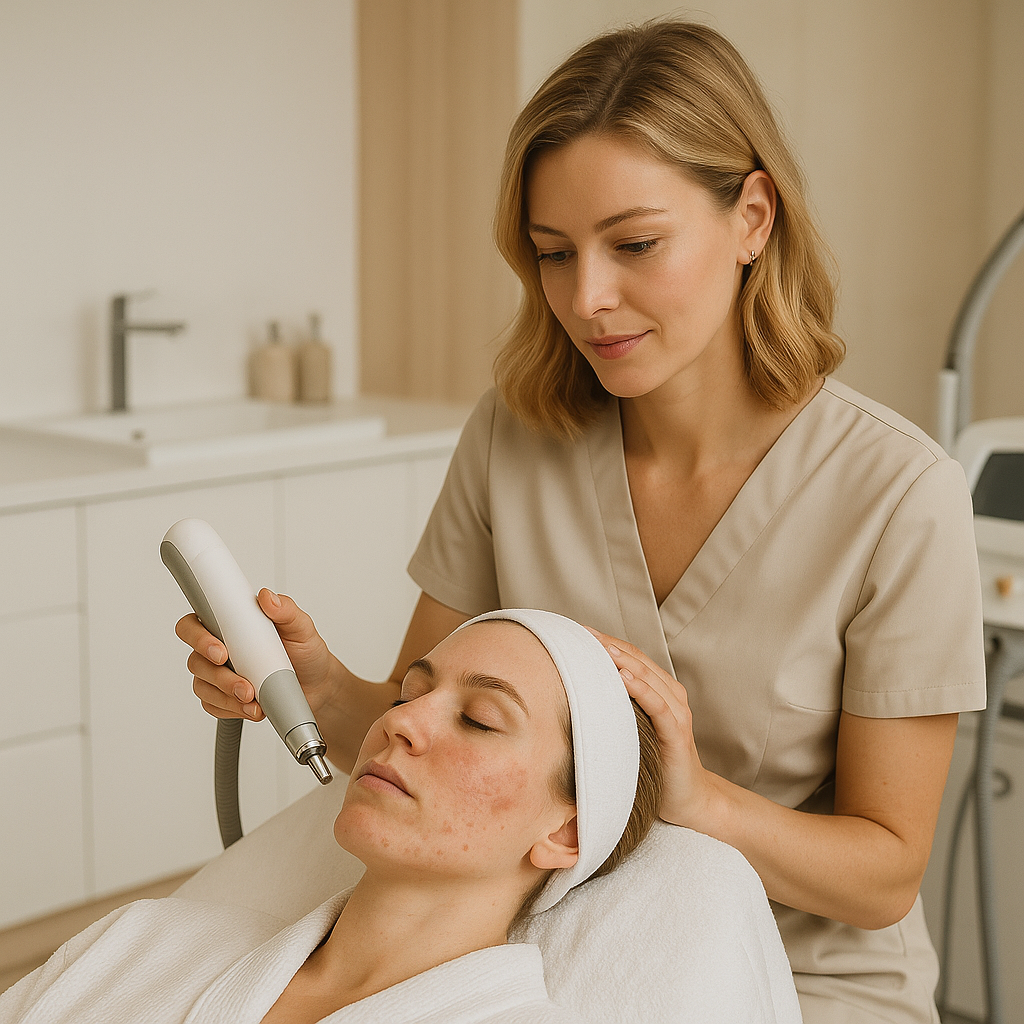
What Causes Acne Scars and How to Treat Them
Acne is a common skin condition that affects millions of people worldwide. While many experience temporary breakouts, some are left with lasting marks known as acne scars. These scars can affect self-esteem and confidence, making effective acne scar treatment a priority for many. Understanding what causes acne scars and the available treatment options is crucial for achieving smoother, healthier skin.
What Causes Acne Scars?
Acne scars are the result of inflammation within the skin caused by acne. When a pimple, cyst, or nodule forms, it can damage the skin and the tissue beneath it. During the healing process, the body produces collagen to repair this damage. However, if too much or too little collagen is produced, it can lead to scarring.
There are several factors that influence the formation of acne scars:
- Severity of Acne: Severe cystic acne or nodular acne is more likely to cause scarring than mild acne.
- Delayed Treatment: Not treating acne promptly or properly can increase the risk of scarring.
- Picking or Squeezing Pimples: Manually manipulating acne lesions can worsen inflammation and damage the skin, leading to scars.
- Genetics: Some people are more prone to scarring due to genetic factors affecting their skin’s healing process.
- Skin Type: Darker skin tones may be more prone to post-inflammatory hyperpigmentation, which can appear similar to scars.
Types of Acne Scars
Understanding the type of acne scar you have is important for determining the best acne scar treatment. The main types of acne scars include:
- Atrophic Scars: These are depressed scars caused by a loss of tissue. They include icepick scars (deep and narrow), boxcar scars (broad with sharp edges), and rolling scars (wave-like appearance).
- Hypertrophic Scars: Raised scars caused by an overproduction of collagen during healing.
- Keloid Scars: A type of hypertrophic scar that extends beyond the original wound boundaries and can be more difficult to treat.
- Post-Inflammatory Hyperpigmentation: Dark spots left behind after acne heals, though not technically scars, they often accompany acne scarring.
Acne Scar Treatment Options
There are numerous treatments available to improve or remove acne scars. The choice of treatment depends on the scar type, severity, skin type, and individual preferences. Below are some common and effective acne scar treatment methods:
Topical Treatments
For mild acne scars and hyperpigmentation, topical treatments can be helpful. Ingredients such as retinoids, alpha hydroxy acids (AHAs), beta hydroxy acids (BHAs), and vitamin C can promote skin cell turnover, fade dark spots, and stimulate collagen production.
Retinoids are particularly effective in improving skin texture and reducing discoloration by increasing collagen synthesis and accelerating exfoliation. However, results take time and consistent use over several months is necessary.
Chemical Peels
Chemical peels involve applying a solution to the skin that causes controlled exfoliation and peeling. This process removes dead skin cells and encourages new skin growth, which can improve the appearance of shallow acne scars and discoloration.
Medium to deep chemical peels can provide more dramatic results but may require downtime and professional supervision.
Microneedling
Microneedling uses tiny needles to create micro-injuries in the skin, stimulating the body’s natural wound healing response and collagen production. This treatment is effective for atrophic scars and can improve skin texture and firmness with minimal downtime.
Sometimes microneedling is combined with platelet-rich plasma (PRP) therapy to enhance healing and results.
Laser Therapy
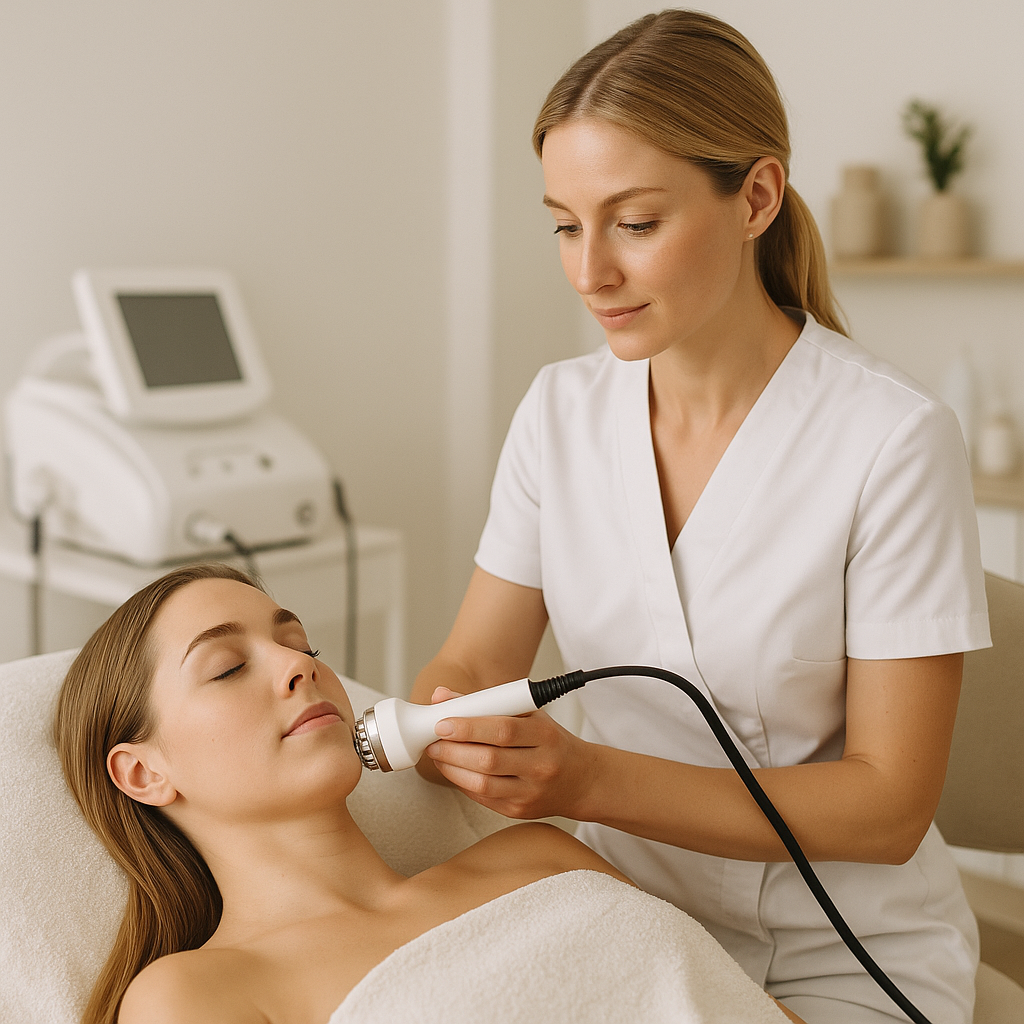
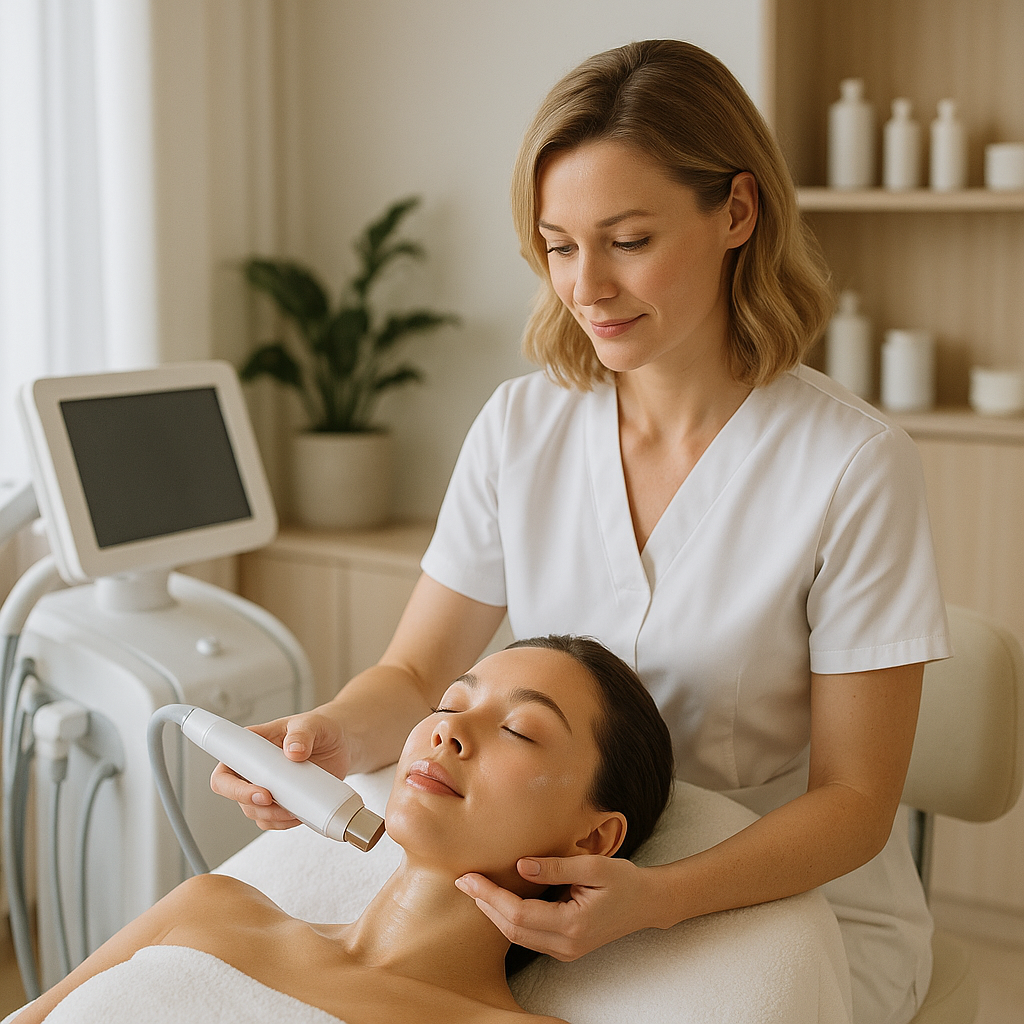
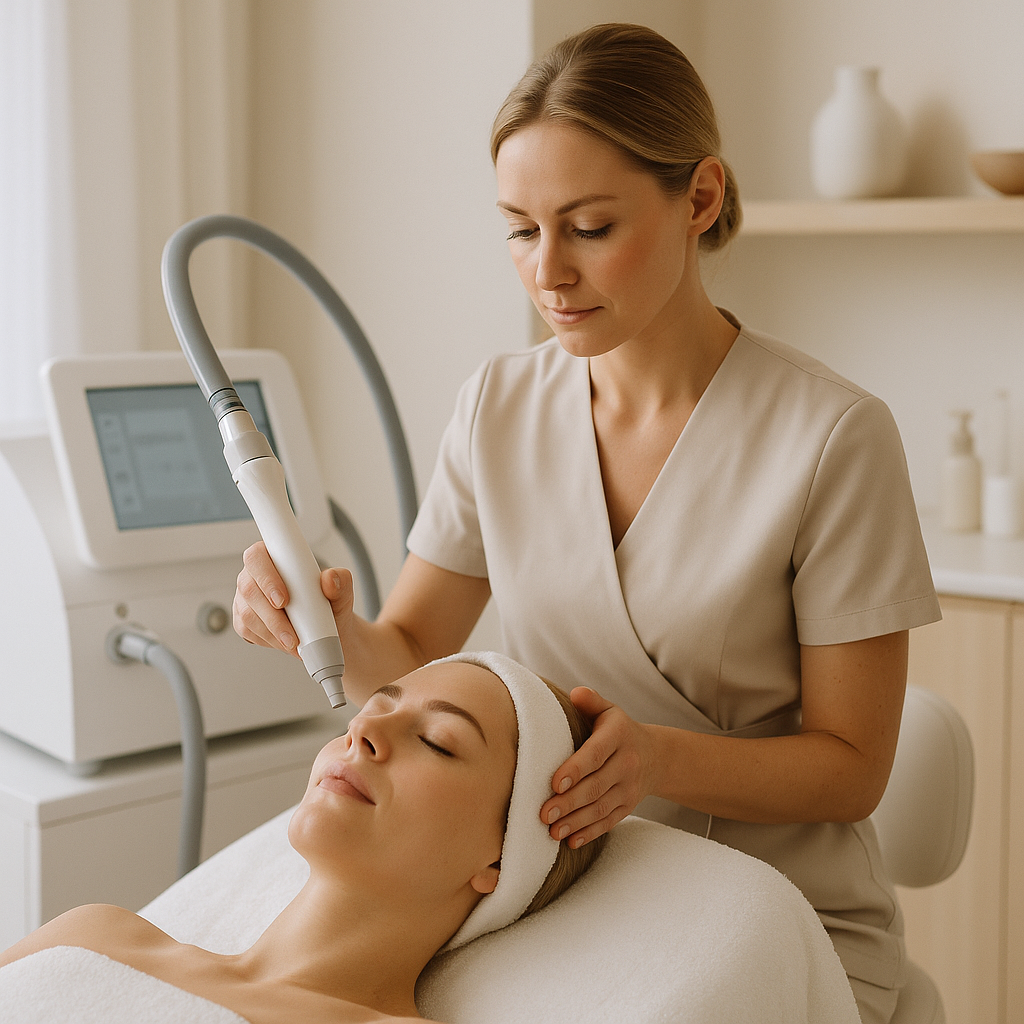
Laser treatments are among the most popular and effective acne scar treatments. Different lasers target different layers of the skin and types of scars:
- Ablative Lasers: Such as CO2 and erbium lasers, remove the top layers of skin and stimulate collagen remodeling. These are ideal for deep scars but require longer recovery time.
- Non-ablative Lasers: These lasers penetrate the skin without damaging the surface, promoting collagen production with less downtime.
- Fractional Lasers: Treat only a fraction of the skin at a time, allowing faster healing and effective scar reduction.
Dermal Fillers
Fillers can be injected into depressed scars to raise them to the level of surrounding skin, providing immediate improvement. This is a temporary solution and may require repeat treatments every few months to maintain results.
Subcision
Subcision is a minor surgical procedure where a needle is inserted under the skin to break up fibrous bands causing rolling scars. This releases the skin, allowing it to lift and smooth out over time.
Surgical Options
For very deep scars, surgical removal or punch excision may be necessary. These procedures involve cutting out the scar and closing the wound with stitches, resulting in a less noticeable scar.
Choosing the Right Acne Scar Treatment
Because acne scars vary widely in appearance and severity, consulting a dermatologist or skincare professional is essential to develop a personalized treatment plan. Some individuals may benefit from a combination of treatments to achieve optimal results.
Factors to consider when choosing a treatment include:
- Scar type and depth
- Skin type and sensitivity
- Downtime tolerance
- Budget
- Previous treatments and responses
Prevention of Acne Scars
While treatments are available, the best approach is to prevent acne scars from forming in the first place. Here are some tips to minimize scarring:
- Treat Acne Early: Seek professional advice to manage acne before it worsens.
- Avoid Picking or Squeezing: This can increase inflammation and damage skin tissue.
- Use Sunscreen: Sun exposure can darken scars and slow healing.
- Follow a Skincare Routine: Use gentle cleansers and non-comedogenic products to reduce breakouts.
Conclusion
Acne scars can be a frustrating reminder of past breakouts, but numerous effective acne scar treatment options exist to help restore smooth, healthy skin. From topical products and chemical peels to advanced laser therapies and surgical procedures, there is a solution for every type of scar. Early treatment and prevention remain key to minimizing the risk and severity of scars.
Consulting with a qualified dermatologist or skincare specialist will ensure you receive the best advice and treatment tailored to your skin’s needs.
Contact By Beauty Clinic Rasa.
Plan direct uw afspraak
Heeft u vragen of wilt u een afspraak inplannen?