Microneedling for Acne Scars and Skin Texture Acne scars can be a persistent reminder of past skin struggles, often affecting an individual’s confidence and self-esteem. Fortunately, advancements in dermatological treatments have introduced effective solutions to diminish these scars and improve skin texture. One such innovative and increasingly popular method is microneedling for acne scars. This …
Microneedling for Acne Scars and Skin Texture
Acne scars can be a persistent reminder of past skin struggles, often affecting an individual’s confidence and self-esteem. Fortunately, advancements in dermatological treatments have introduced effective solutions to diminish these scars and improve skin texture. One such innovative and increasingly popular method is microneedling for acne scars. This minimally invasive procedure has gained widespread acclaim for its ability to rejuvenate the skin, promote collagen production, and reduce the appearance of scars. In this article, we will explore the benefits, procedure, and expected results of microneedling for acne scars and skin texture enhancement.
What is Microneedling?
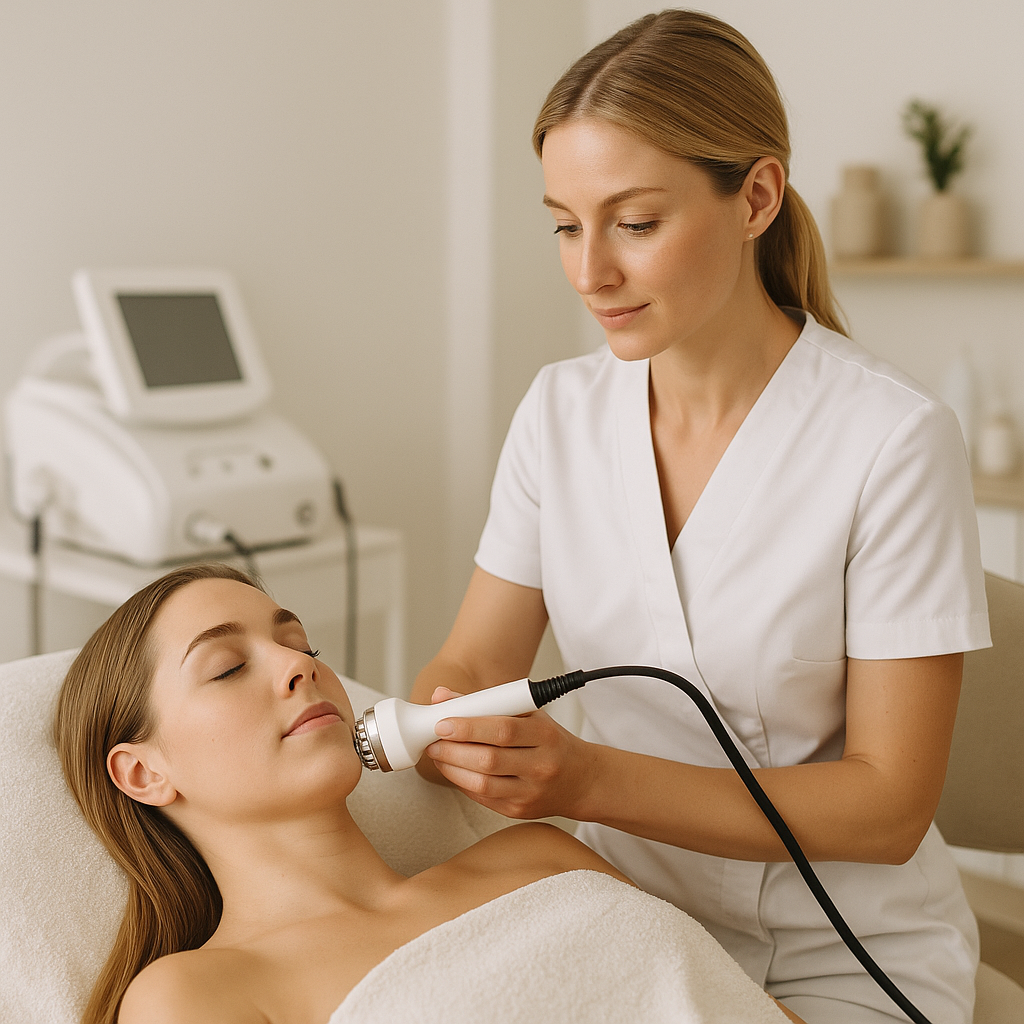
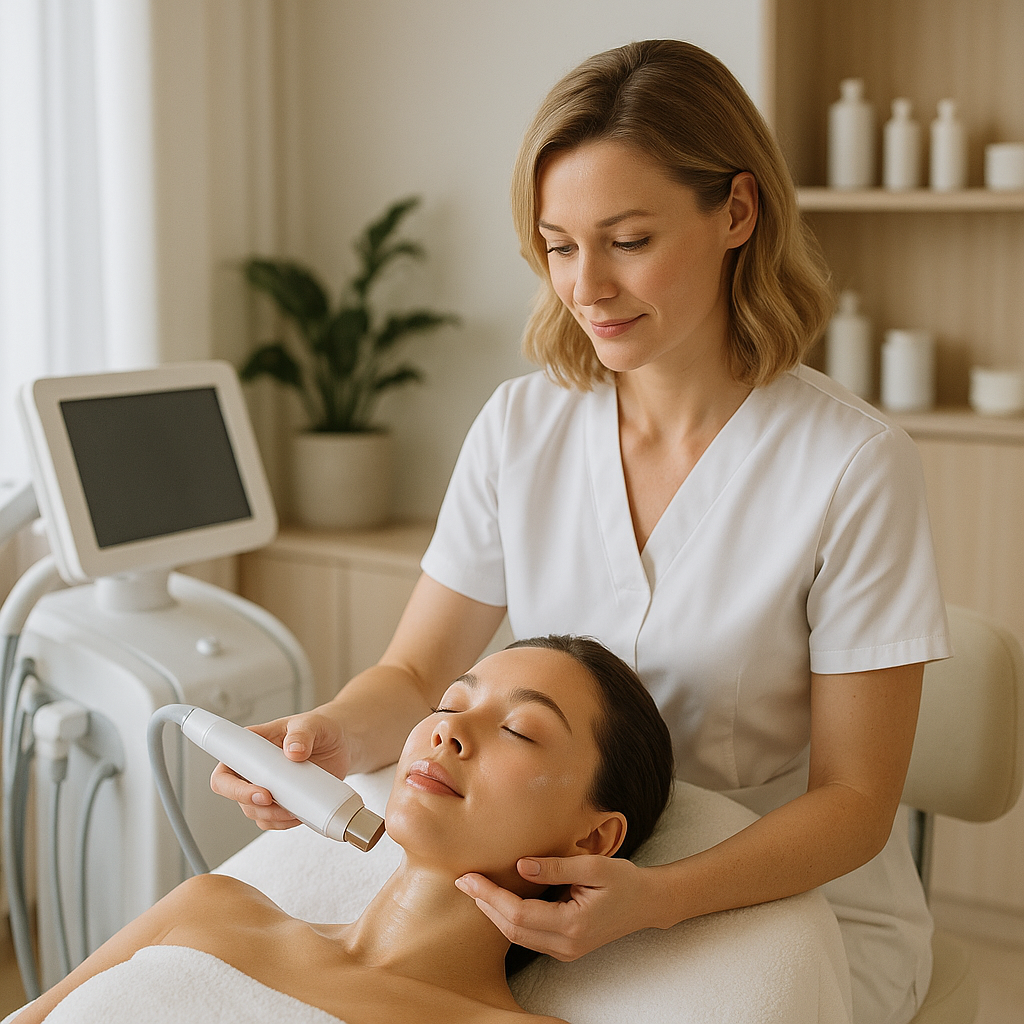
Microneedling, also known as collagen induction therapy, is a cosmetic procedure that involves the use of fine needles to create tiny, controlled punctures in the skin. These micro-injuries trigger the body’s natural wound healing process, stimulating the production of collagen and elastin—two essential proteins responsible for skin strength, elasticity, and regeneration.
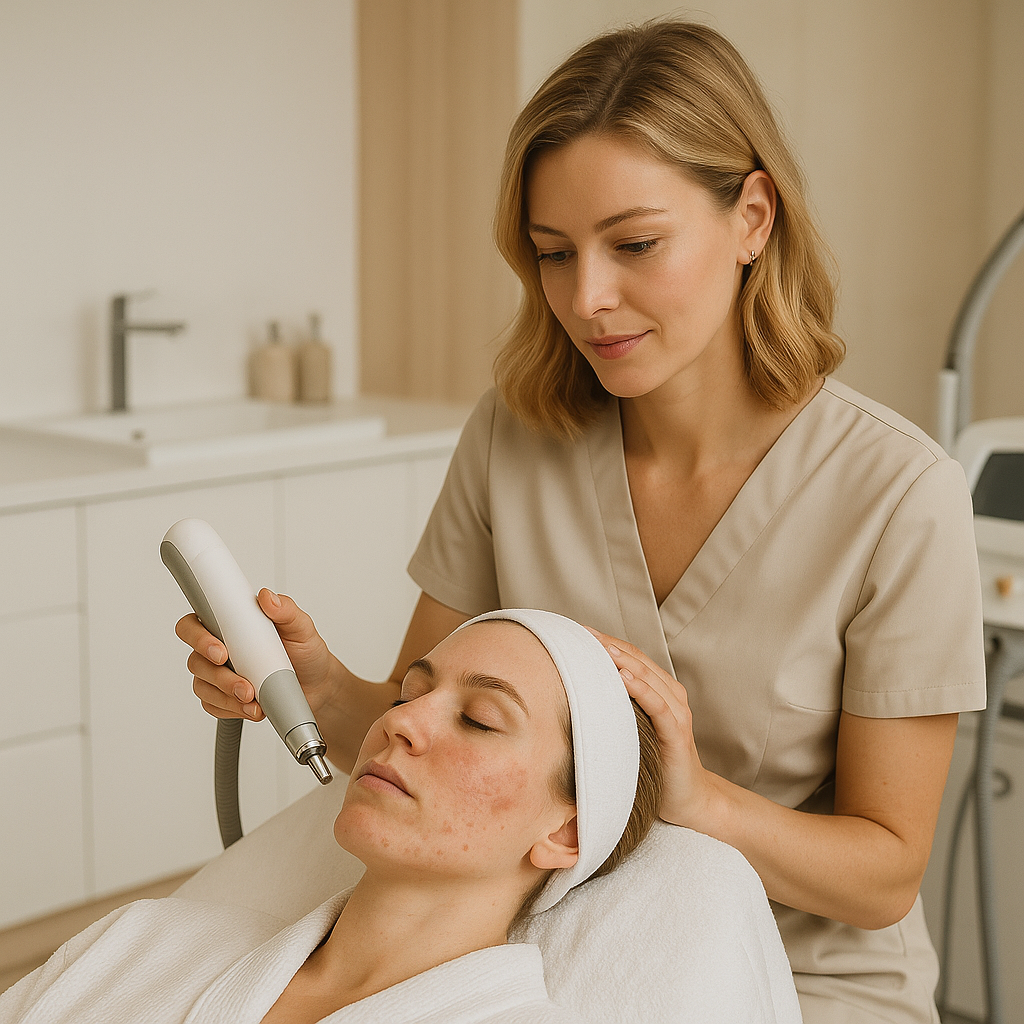
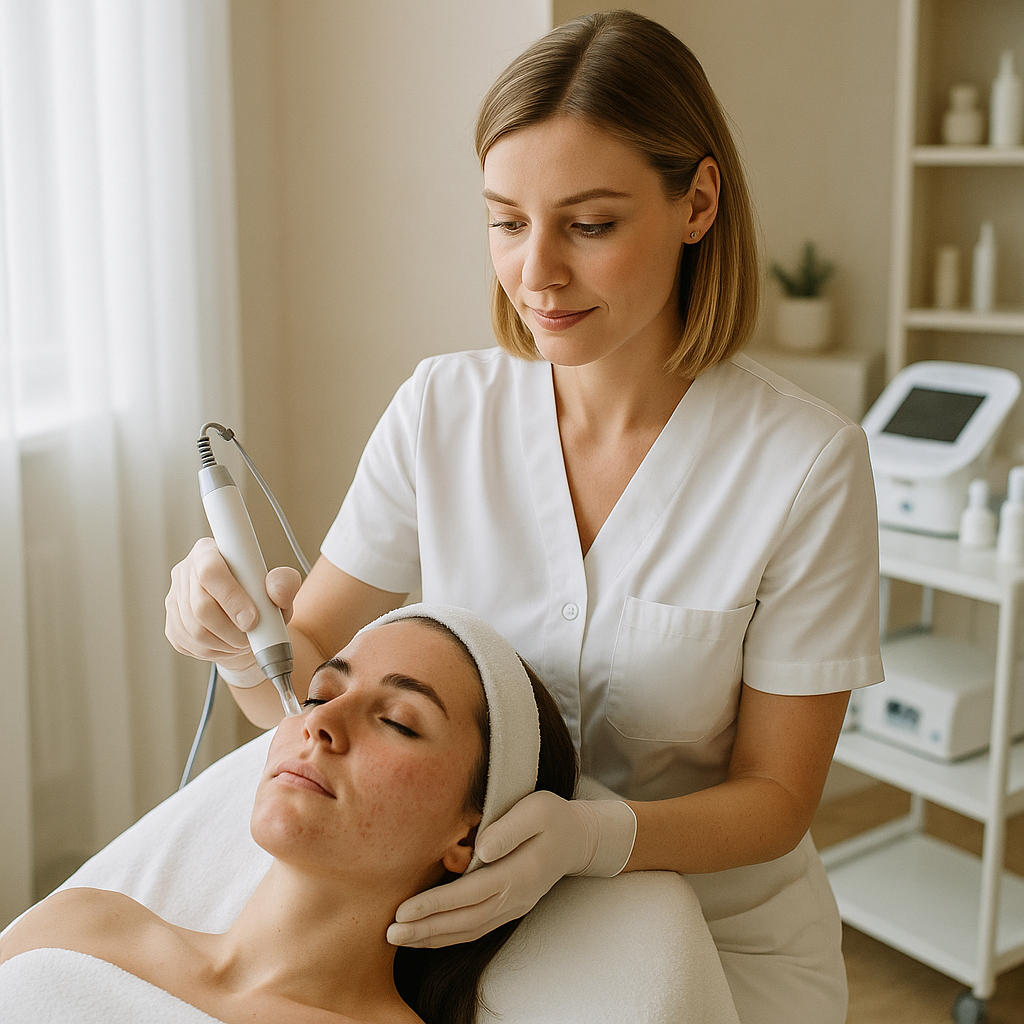
The treatment is performed using a specialized device, often a dermaroller or a motorized pen with adjustable needle depths. By targeting the deeper layers of the skin, microneedling encourages the skin to repair itself and replace damaged tissue with new, healthy skin cells. This process helps reduce the depth and visibility of acne scars while improving overall skin texture.
How Does Microneedling Help Acne Scars?
Acne scars come in various forms, including icepick scars, rolling scars, and boxcar scars, each varying in depth and severity. Traditional treatments like chemical peels or laser resurfacing can be effective but may not suit everyone, especially those with sensitive skin or darker skin tones. Microneedling offers a versatile alternative that is both safe and effective across a wide range of skin types.
The primary way microneedling improves acne scars is by stimulating collagen remodeling. Acne scars often result from a loss of collagen during the healing of inflamed acne lesions. By creating micro-injuries, microneedling jumpstarts collagen production, which helps fill in depressed scars and smooth out uneven skin surfaces.
Additionally, microneedling enhances the absorption of topical skincare products. During the treatment, serums containing ingredients like hyaluronic acid, vitamin C, and growth factors can penetrate deeper into the skin, further promoting healing and skin rejuvenation.
The Microneedling Procedure: What to Expect
Before undergoing microneedling, a consultation with a skincare professional is essential to assess your skin condition, scar type, and overall suitability for the treatment. The procedure itself is relatively quick, typically lasting 30 to 60 minutes depending on the area being treated.
On the day of treatment, the skin is thoroughly cleansed, and a topical numbing cream is applied to minimize discomfort. Once the skin is numb, the practitioner moves the microneedling device systematically over the target areas, creating thousands of tiny punctures. The needle depth can be adjusted based on the severity of the scars and the sensitivity of the skin.
After the procedure, the skin may appear red and feel slightly swollen, similar to a mild sunburn. These effects typically subside within a few days. It is crucial to follow post-treatment care instructions, including avoiding direct sun exposure, applying soothing and hydrating products, and refraining from using harsh skincare ingredients until the skin has fully healed.
Benefits of Microneedling for Acne Scars and Skin Texture
- Minimally Invasive: Unlike more aggressive treatments, microneedling involves no surgery or significant downtime.
- Collagen Stimulation: Promotes natural collagen and elastin production, which are key to scar repair and skin smoothness.
- Improved Skin Texture: Reduces the appearance of acne scars, fine lines, and enlarged pores, resulting in smoother, more even skin.
- Suitable for All Skin Types: Safe for darker skin tones, minimizing the risk of pigmentation changes that can occur with laser treatments.
- Enhanced Product Absorption: Increases the effectiveness of topical serums and treatments applied during or after the procedure.
- Cost-Effective: Compared to laser treatments, microneedling is generally more affordable while providing significant improvements.
Microneedling vs. Other Acne Scar Treatments
When considering treatment options for acne scars, it is helpful to understand how microneedling compares to other popular methods:
- Laser Resurfacing: Uses concentrated light beams to remove damaged skin layers. Effective but can cause longer downtime and is not always suitable for darker skin tones.
- Chemical Peels: Utilize acids to exfoliate the skin and promote regeneration. Best for superficial scars and may require multiple sessions.
- Dermal Fillers: Temporarily fill in depressed scars but do not promote collagen production or long-term skin improvement.
- Subcision: A minor surgical procedure that releases fibrous bands beneath scars to improve contour. Often combined with microneedling for enhanced results.
Microneedling stands out due to its balance of effectiveness, safety, and versatility, making it an excellent choice for individuals seeking to improve acne scars and skin texture without extensive downtime or risk.
How Many Microneedling Sessions Are Needed?
The number of sessions required varies depending on the severity of the acne scars and the individual’s skin response. Typically, a series of 3 to 6 treatments spaced 4 to 6 weeks apart is recommended for optimal results. Many patients begin to notice improvements after the first or second session, with continued enhancements as collagen remodeling progresses over several months.
Maintenance treatments may be suggested annually to preserve the benefits, especially for those prone to acne scarring or skin texture irregularities.
Potential Side Effects and Risks
Microneedling is generally safe when performed by a trained professional. Common side effects include temporary redness, swelling, and mild discomfort immediately following the procedure. Rarely, patients may experience bruising, infection, or pigmentation changes, particularly if post-care instructions are not followed properly.
It is important to disclose any medical conditions, skin infections, or history of keloid scarring to your provider before treatment to minimize risks.
Enhancing Results with Combination Therapies
For more pronounced acne scars, microneedling can be combined with other treatments to maximize results. These include platelet-rich plasma (PRP) therapy, which uses growth factors from the patient’s own blood to accelerate healing, and topical retinoids to promote cell turnover.
Consulting with a skincare specialist can help determine the best treatment plan tailored to your skin’s unique needs.
Conclusion
Microneedling for acne scars is a revolutionary approach that offers a safe, effective, and minimally invasive solution to improve skin texture and reduce scarring. By stimulating the body’s natural collagen production and enhancing skin regeneration, microneedling helps restore a smoother, more youthful complexion. Whether you are dealing with mild to moderate acne scars or seeking an overall improvement in skin quality, microneedling may be the treatment you need to regain your confidence and achieve healthier skin.
Contact By Beauty Clinic Rasa.
Plan direct uw afspraak
Heeft u vragen of wilt u een afspraak inplannen?