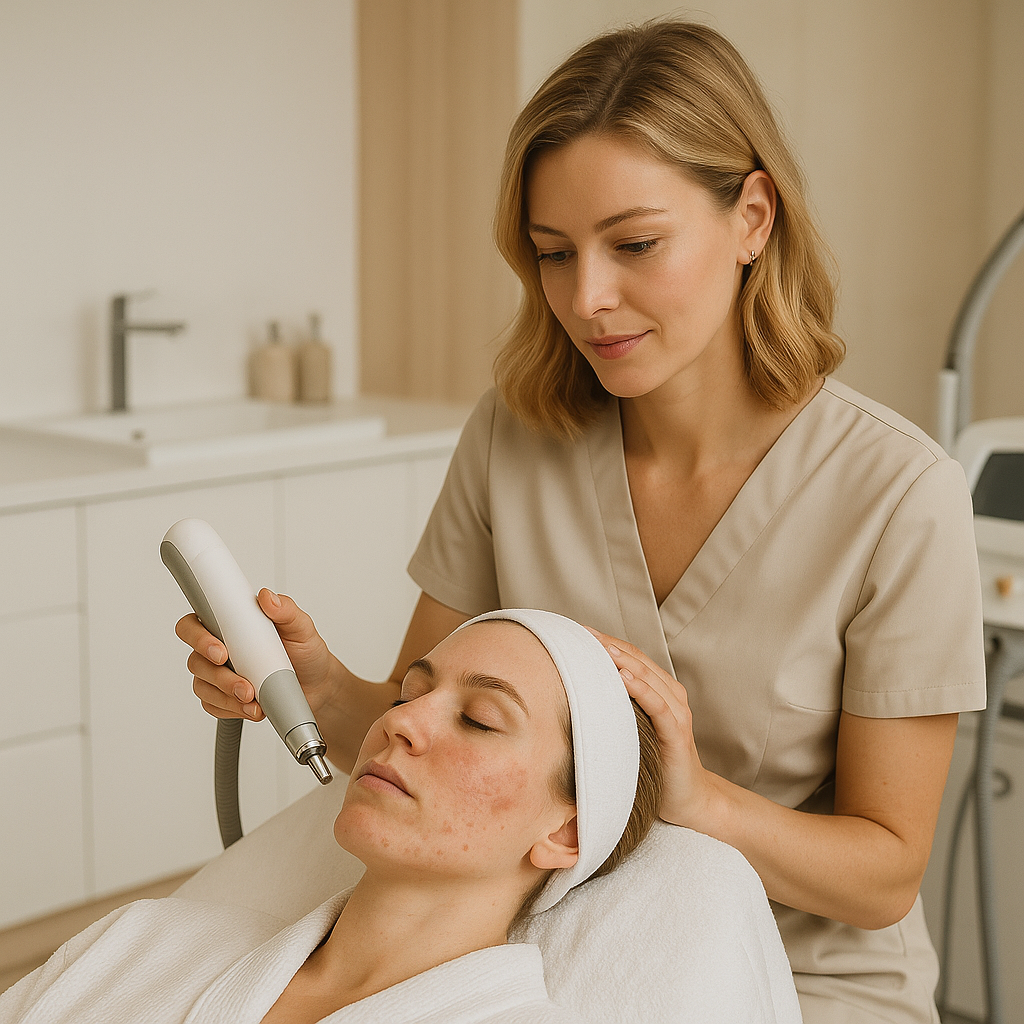
Non Surgical Rhinoplasty with Fillers: A Comprehensive Guide Introduction to Non Surgical Rhinoplasty In recent years, the demand for minimally invasive cosmetic procedures has soared, and among them, non surgical rhinoplasty has gained significant popularity. Often referred to as the "liquid nose job," this innovative treatment uses dermal fillers to reshape the nose without the …

Non Surgical Rhinoplasty with Fillers: A Comprehensive Guide
Introduction to Non Surgical Rhinoplasty
In recent years, the demand for minimally invasive cosmetic procedures has soared, and among them, non surgical rhinoplasty has gained significant popularity. Often referred to as the “liquid nose job,” this innovative treatment uses dermal fillers to reshape the nose without the need for surgery. It offers a quick, effective, and relatively painless alternative to traditional rhinoplasty, making it an attractive option for those seeking subtle aesthetic improvements.
What is Non Surgical Rhinoplasty?
Non surgical rhinoplasty involves the injection of dermal fillers—typically hyaluronic acid-based—into strategic areas of the nose to alter its shape. Unlike conventional rhinoplasty, which requires incisions, anesthesia, and a lengthy recovery, this procedure is performed in a clinic setting with minimal downtime. The filler adds volume, smooths out bumps, lifts the nasal tip, and improves overall symmetry, enhancing the nose’s appearance in a subtle yet impactful way.
How Does Non Surgical Nose Filler Work?
The procedure begins with a thorough consultation to assess the patient’s nasal anatomy and aesthetic goals. Once a treatment plan is established, the practitioner uses fine needles or cannulas to inject fillers into targeted areas of the nose. The filler material instantly adds volume and contour, correcting imperfections such as dorsal humps, asymmetry, or a droopy tip.
The effects are visible immediately, and because the fillers are temporary, lasting from 6 to 18 months depending on the product used, patients can decide if they want to maintain or adjust their look over time. Additionally, since the filler is hyaluronic acid-based, it can be dissolved with an enzyme called hyaluronidase if the patient is unhappy with the results.
Benefits of Non Surgical Rhinoplasty
Non surgical nose filler treatments come with a variety of benefits that make them appealing to many:
- Minimal downtime: Patients can resume normal activities almost immediately after the procedure.
- Less risk: Without surgery, risks such as infection, scarring, or anesthesia complications are greatly reduced.
- Quick procedure: The entire treatment usually takes 15-30 minutes.
- Reversibility: Hyaluronic acid fillers can be dissolved if necessary, allowing for adjustments.
- Cost-effective: Non surgical rhinoplasty is typically less expensive than traditional surgery.
Ideal Candidates for Non Surgical Nose Filler
While non surgical rhinoplasty is versatile, it is important to understand who will benefit most from this treatment. Ideal candidates include those who:
- Want to correct minor imperfections such as bumps, asymmetry, or a flat nasal bridge.
- Desire a temporary change without committing to surgery.
- Have realistic expectations about the results.
- Are in good overall health and have no contraindications such as allergies to filler ingredients.
However, non surgical rhinoplasty is not suitable for those seeking to significantly reduce the size of their nose or correct severe structural issues. In such cases, surgical rhinoplasty remains the best option.
The Procedure Step-by-Step
Understanding the process helps alleviate any apprehension about the treatment. Here is a typical step-by-step outline of a non surgical rhinoplasty session:
- Consultation: Discussion of goals, examination of the nose, and explanation of the procedure and risks.
- Cleansing: The nose and surrounding area are cleaned and prepped.
- Numbing: Local anesthesia or topical numbing cream may be applied to reduce discomfort.
- Injection: The filler is carefully injected into predetermined areas to achieve the desired shape.
- Shaping: The practitioner molds the filler to smooth out irregularities and enhance contours.
- Aftercare: Instructions are provided to minimize swelling and bruising, such as avoiding strenuous activity and applying ice packs.
Risks and Side Effects
Though generally safe, non surgical rhinoplasty carries some risks and potential side effects. These include:
- Swelling and bruising at injection sites.
- Redness and tenderness.
- Rarely, vascular complications such as skin necrosis or visual impairment if filler is injected into blood vessels.
- Asymmetry or lumps that may require correction.
Choosing a qualified and experienced practitioner significantly reduces the likelihood of complications. It is essential to follow all pre- and post-procedure instructions carefully.
Aftercare and Recovery
One of the major advantages of non surgical nose filler treatments is the minimal recovery time. Most patients experience only mild swelling or bruising, which typically resolves within a few days. Recommended aftercare tips include:
- Avoiding strenuous exercise for 24-48 hours.
- Sleeping with the head elevated to reduce swelling.
- Refraining from touching or applying pressure to the nose.
- Avoiding extreme heat such as saunas or sunbathing for a few days.
Comparing Non Surgical Rhinoplasty to Traditional Surgery
While both surgical and non surgical rhinoplasty aim to improve the nose’s appearance, they differ significantly in approach, results, and recovery:
| Aspect | Non Surgical Rhinoplasty | Traditional Rhinoplasty |
|---|---|---|
| Procedure | Injection of dermal fillers | Open or closed surgery to reshape nasal bones and cartilage |
| Downtime | Minimal, usually none to a few days | Several weeks to months |
| Results | Temporary, lasting 6-18 months | Permanent |
| Cost | Lower | Higher |
| Suitability | Minor corrections and enhancements | Major structural changes |
Choosing the Right Practitioner
Success and safety in non surgical rhinoplasty heavily depend on the skill of the injector. It is crucial to select a licensed medical professional—such as a dermatologist, plastic surgeon, or experienced aesthetic practitioner—who is well-versed in nasal anatomy and filler techniques. Patients should review before and after photos, read reviews, and ensure the clinic follows strict hygiene protocols.
Conclusion
Non surgical rhinoplasty with fillers offers a versatile, convenient, and relatively low-risk option for individuals looking to refine the shape of their nose without undergoing surgery. Its instant results, minimal downtime, and reversibility make it a compelling choice for many. However, it is essential to have realistic expectations and consult with an experienced practitioner to ensure the best outcome. For those seeking subtle enhancements or temporary solutions, non surgical nose filler treatments provide an excellent alternative to traditional rhinoplasty.
Contact By Beauty Clinic Rasa.
Plan direct uw afspraak
Heeft u vragen of wilt u een afspraak inplannen?