Best Treatments for Hyperpigmentation and Dark Spots Hyperpigmentation is a common skin condition characterized by the darkening of certain areas of the skin due to excess melanin production. It can result from various factors, including sun exposure, hormonal changes, acne scars, and inflammation. Dark spots, also known as age spots or sun spots, are a …
Best Treatments for Hyperpigmentation and Dark Spots
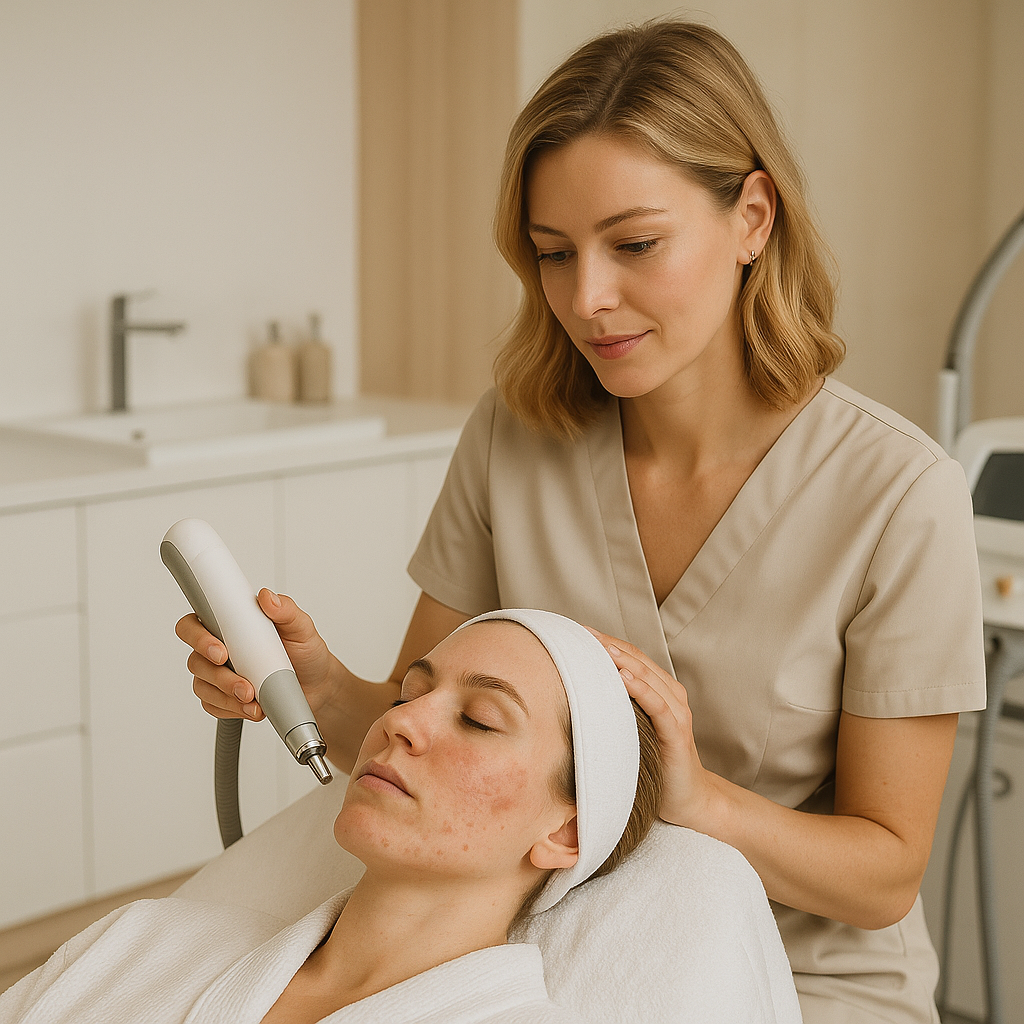
Hyperpigmentation is a common skin condition characterized by the darkening of certain areas of the skin due to excess melanin production. It can result from various factors, including sun exposure, hormonal changes, acne scars, and inflammation. Dark spots, also known as age spots or sun spots, are a type of hyperpigmentation that often appears on the face, hands, and other areas frequently exposed to the sun. Treating hyperpigmentation effectively requires targeted hyperpigmentation treatment to restore an even skin tone and improve overall skin appearance.
Understanding Hyperpigmentation
Before diving into treatment options, it is essential to understand the causes and types of hyperpigmentation. The most common types include:
- Melasma: Often linked to hormonal changes, melasma typically appears during pregnancy or with the use of birth control pills.
- Post-inflammatory hyperpigmentation (PIH): This type occurs after an injury or inflammation to the skin, such as acne or eczema.
- Solar lentigines: Also known as sun spots or age spots, these are caused by prolonged sun exposure.
Hyperpigmentation treatment varies depending on the type and severity of the condition, as well as the patient’s skin type and lifestyle.
Topical Treatments for Hyperpigmentation
Topical treatments are often the first line of defense against hyperpigmentation and dark spots. They work by inhibiting melanin production or promoting skin cell turnover to fade darkened areas. Some of the most effective topical agents include:
- Hydroquinone: Considered the gold standard for hyperpigmentation treatment, hydroquinone works by blocking the enzyme tyrosinase, which is essential for melanin synthesis. It is available in various concentrations and often used under dermatologist supervision.
- Retinoids: Retinoids, such as tretinoin and adapalene, promote skin cell turnover and help fade dark spots. They also improve overall skin texture and reduce fine lines.
- Vitamin C: This antioxidant brightens the skin and inhibits melanin production. Vitamin C serums are popular for their ability to reduce pigmentation and improve skin radiance.
- Azelaic Acid: Azelaic acid is effective for treating melasma and acne-related hyperpigmentation. It has anti-inflammatory properties and helps normalize pigmentation.
- Kojic Acid: Derived from fungi, kojic acid inhibits tyrosinase and is often used as an alternative to hydroquinone for sensitive skin.
Combining these topical agents with daily sun protection enhances their effectiveness and prevents further pigmentation.
Chemical Peels for Dark Spots
Chemical peels are a popular hyperpigmentation treatment that involves applying an acid solution to exfoliate the skin and promote new skin growth. They can effectively reduce dark spots, uneven skin tone, and fine lines. Common types of chemical peels include:
- Glycolic Acid Peels: An alpha hydroxy acid (AHA) that exfoliates the outer skin layer, improving texture and pigmentation.
- Salicylic Acid Peels: A beta hydroxy acid (BHA) that penetrates pores, making it especially effective for acne-prone skin with pigmentation.
- Trichloroacetic Acid (TCA) Peels: A medium-depth peel that targets deeper pigmentation and provides more dramatic results.
Chemical peels should be performed by a skincare professional to minimize risks and ensure the best outcome. Multiple sessions may be necessary depending on the severity of the hyperpigmentation.
Laser and Light-Based Treatments
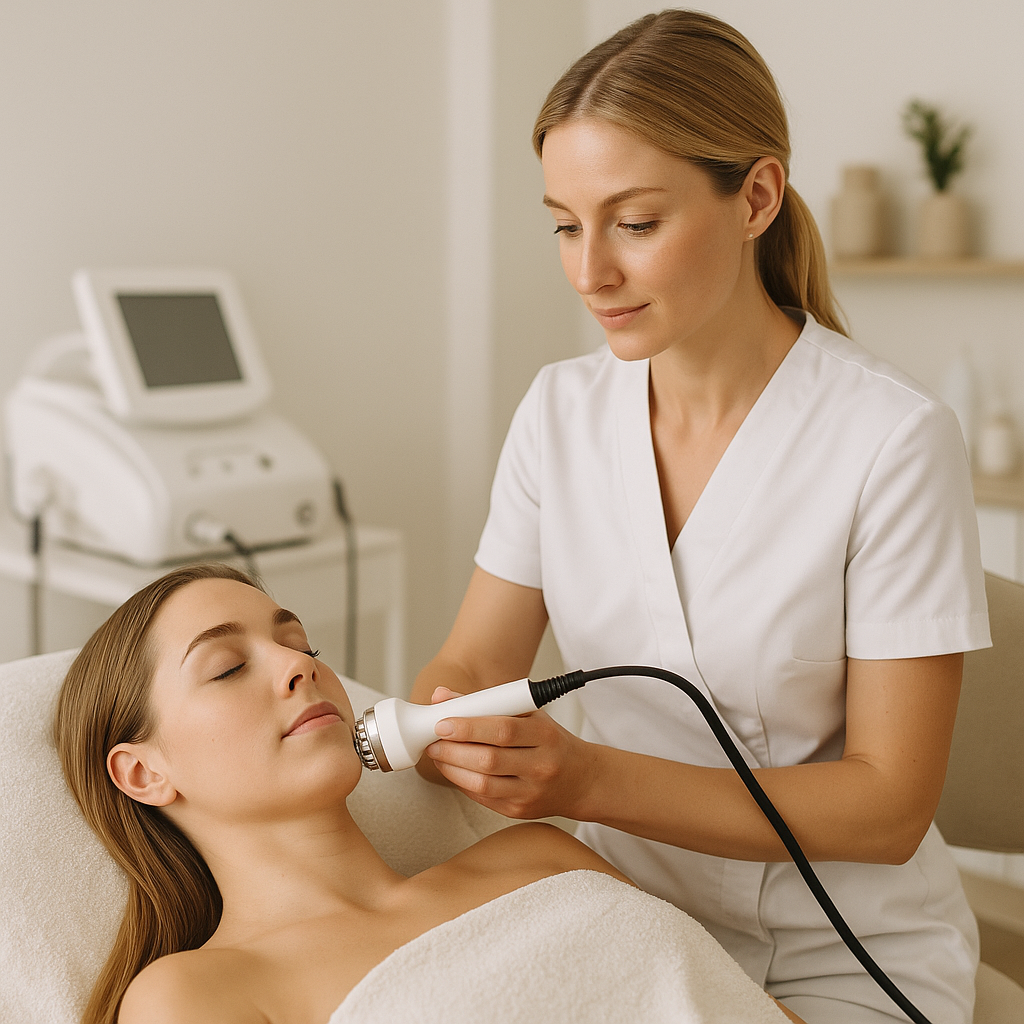
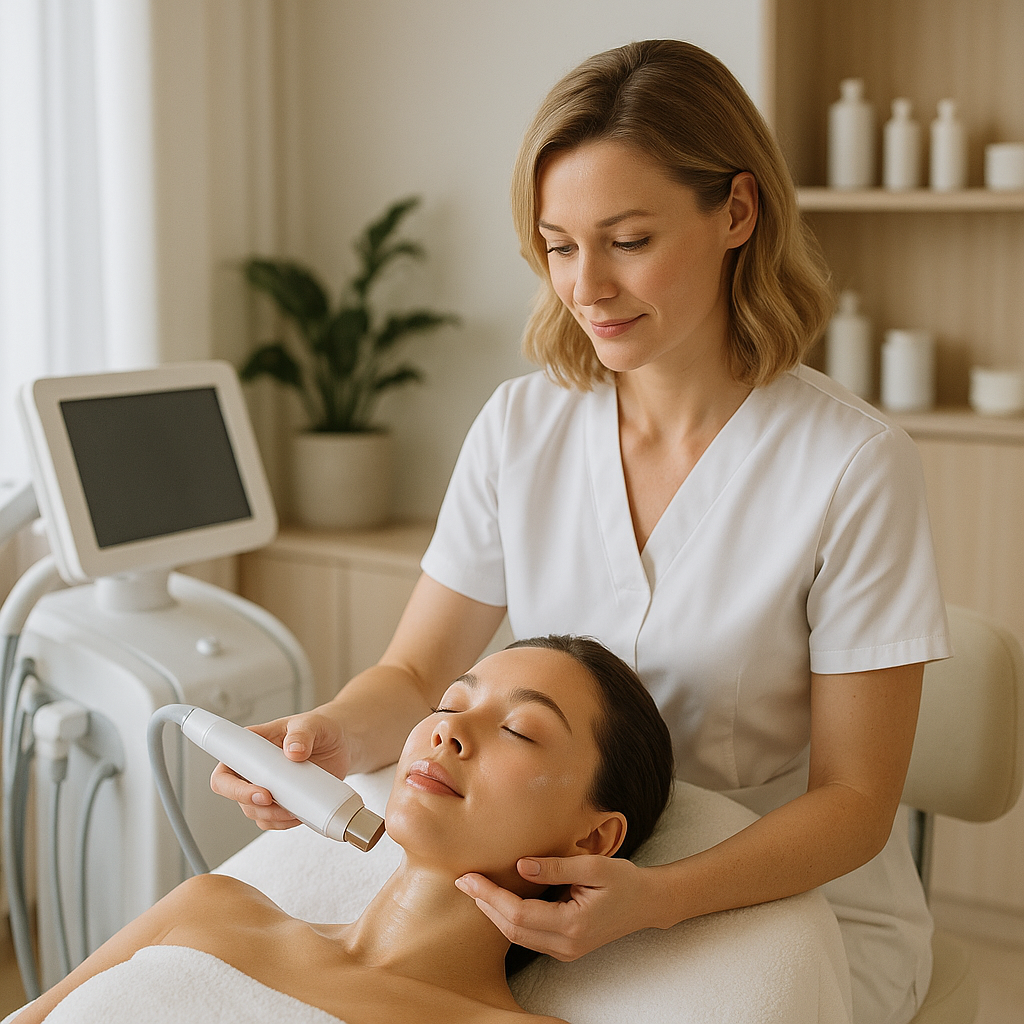
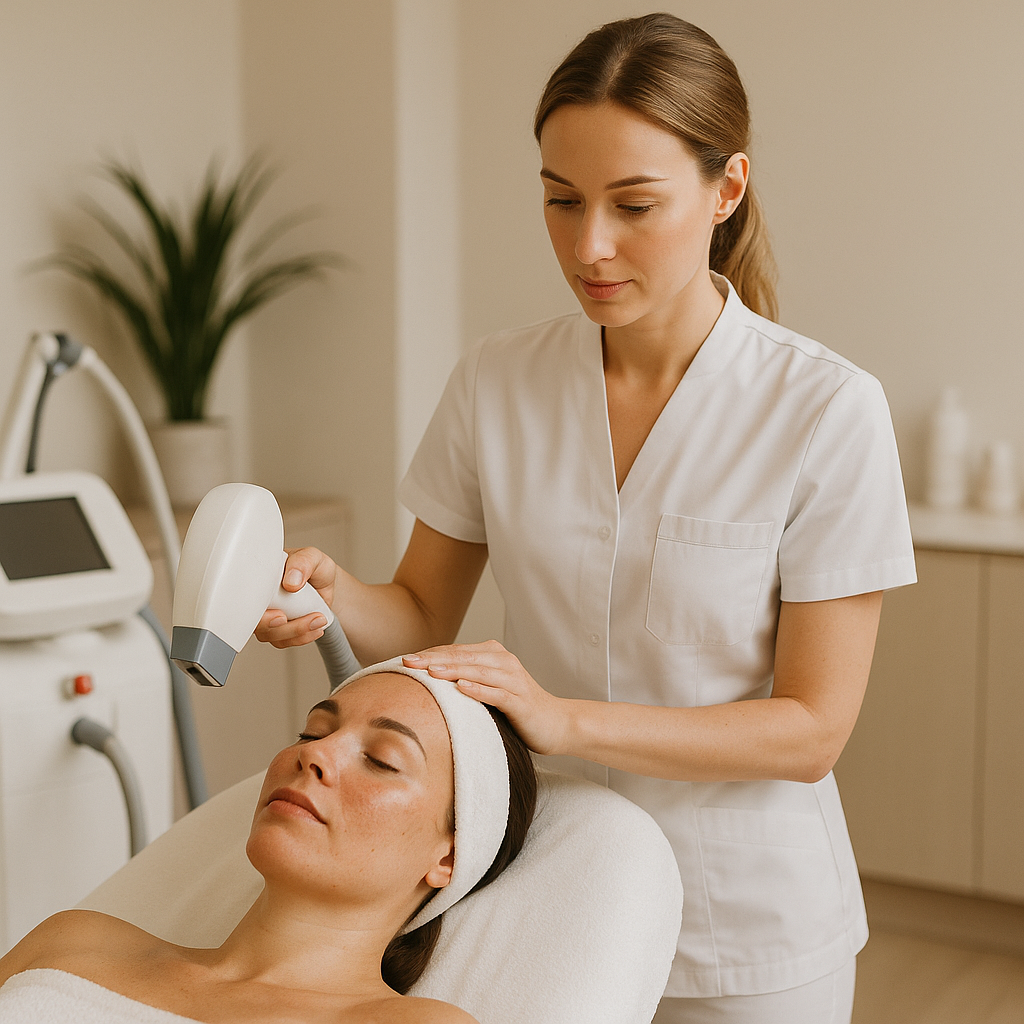
Advanced laser and light therapies offer targeted hyperpigmentation treatment by breaking down excess melanin in the skin. These treatments are often preferred for stubborn dark spots and melasma. Popular options include:
- Q-switched Nd:YAG Laser: This laser targets pigment particles without damaging surrounding tissue, making it effective for various types of hyperpigmentation.
- Fractional Laser Resurfacing: This treatment creates microscopic wounds in the skin to stimulate collagen production and promote even skin tone.
- Intense Pulsed Light (IPL): IPL uses broad-spectrum light to target pigmentation and vascular lesions, improving skin clarity and texture.
Laser treatments require careful assessment by a dermatologist to determine suitability and avoid complications such as post-inflammatory hyperpigmentation, especially in darker skin tones.
Microneedling for Hyperpigmentation
Microneedling is a minimally invasive procedure that uses tiny needles to create controlled micro-injuries in the skin. This stimulates collagen production and enhances the absorption of topical hyperpigmentation treatments. When combined with serums containing vitamin C, hyaluronic acid, or tranexamic acid, microneedling can significantly improve dark spots and skin texture.
Natural and Home Remedies
While professional treatments are often more effective, certain natural remedies can complement hyperpigmentation treatment and help maintain results:
- Aloe Vera: Contains aloin, a compound that may lighten skin and reduce pigmentation.
- Licorice Extract: Has anti-inflammatory and skin-brightening properties.
- Green Tea Extract: Rich in antioxidants that protect skin and may reduce pigmentation.
- Turmeric: Contains curcumin, which has anti-inflammatory and antioxidant benefits that may improve hyperpigmentation.
Natural remedies should be used with caution and are best seen as supportive treatments rather than primary solutions.
Sun Protection: The Key to Preventing Hyperpigmentation
Regardless of the treatment chosen, sun protection is essential for managing hyperpigmentation. Ultraviolet (UV) rays stimulate melanin production and can worsen dark spots or cause new pigmentation to form. Effective sun protection includes:
- Using broad-spectrum sunscreen with SPF 30 or higher daily.
- Reapplying sunscreen every two hours when outdoors.
- Wearing protective clothing, wide-brimmed hats, and sunglasses.
- Seeking shade during peak sun hours.
Consistent sun protection not only enhances the results of hyperpigmentation treatment but also prevents recurrence.
Choosing the Right Hyperpigmentation Treatment
Selecting the best hyperpigmentation treatment depends on several factors, including:
- Type and cause of hyperpigmentation.
- Skin type and sensitivity.
- Severity and extent of pigmentation.
- Budget and availability of treatments.
- Professional guidance from a dermatologist or skincare specialist.
Often, a combination of treatments yields the best results. For example, topical agents can be used alongside chemical peels or laser therapy to maximize effectiveness.
Conclusion
Hyperpigmentation and dark spots can be challenging to treat, but numerous effective hyperpigmentation treatment options are available today. From topical creams and chemical peels to advanced laser therapies and microneedling, there is a solution for every skin type and pigmentation issue. Coupled with diligent sun protection and professional guidance, these treatments can restore a radiant, even complexion and boost confidence.
Contact By Beauty Clinic Rasa.
Plan direct uw afspraak
Heeft u vragen of wilt u een afspraak inplannen?